Your mission comes first. As a mission driven brokerage, not a transaction based one, we help Colorado nonprofits find, lease, buy and share the buildings their programs need.
You know your programs, your community and your funders. Our job is to get your organization into the right home for that work. Sometimes that is a purchase. Sometimes it is a better lease, or waiting until the capital campaign is done. We will tell you which.
A transaction based brokerage compared with Innovate CRE
Topic
Transaction based brokerage
Your mission, with Innovate CRE
The goal
Close a deal, as fast and as large as possible.
Get your organization into the right home for its mission, even if the right answer is to lease, wait or stay put.
The advice
Steers toward whatever closes.
A lease or own analysis your board can check. If the numbers say lease, we say lease.
The relationship
Ends at closing.
Starts before the search and keeps going through build out, opening day and the next location.
The network
The parties to the deal.
Funders, lenders that work with nonprofits, architects, owner's representatives and contractors.
The community
A client list.
Charlie serves nonprofits as a board member, advisor and volunteer, so he knows how boards, budgets and grants actually work.
Success stories
Their missions, now in buildings they own
A home for Colorado's Asian American community
Purchased · Englewood · Closed September 2024 · Opened March 2025
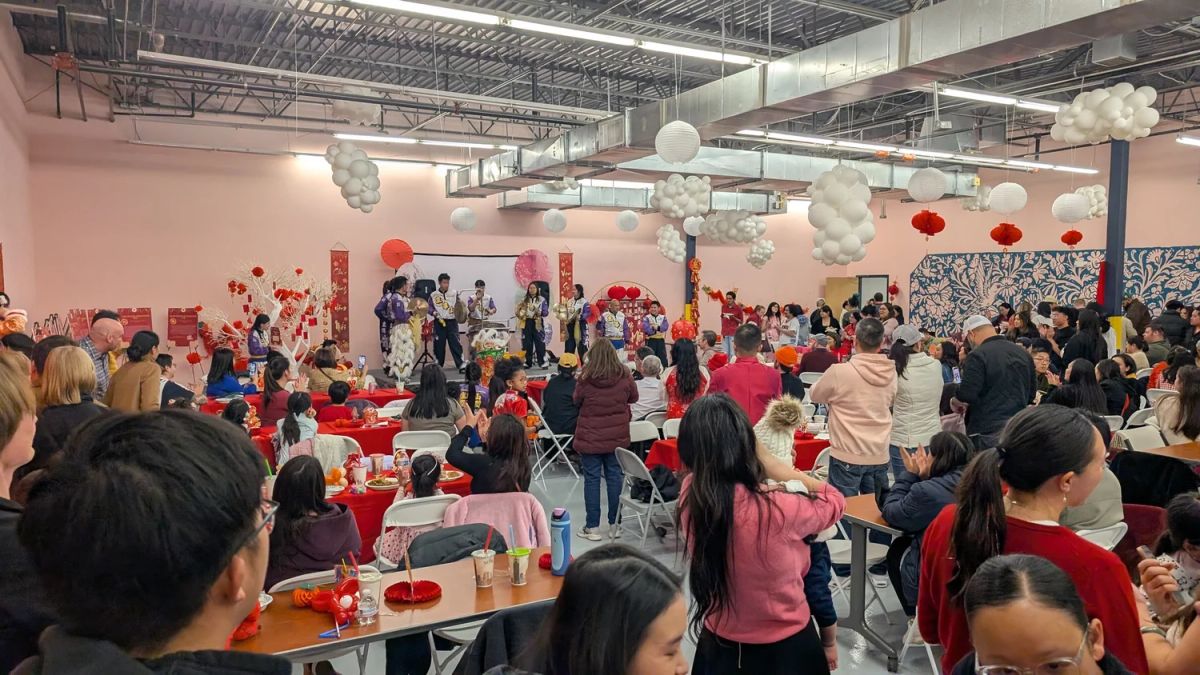
The Colorado Asian Culture and Education Network builds understanding between Colorado's Asian American, Native Hawaiian and Pacific Islander communities. In 2024 it bought an office building at 67 Inverness Dr E and turned it into the Social Fabric Hub, a community center where people come to connect, create and belong. The seller leased the building back through year end, and today five private offices are leased to mission aligned tenants.
Annie Guo VanDanFounder and Executive Director, CACEN
A permanent home for Westwood's youth
Purchased · Denver · $1,000,000 · 90 days to close · April 2026
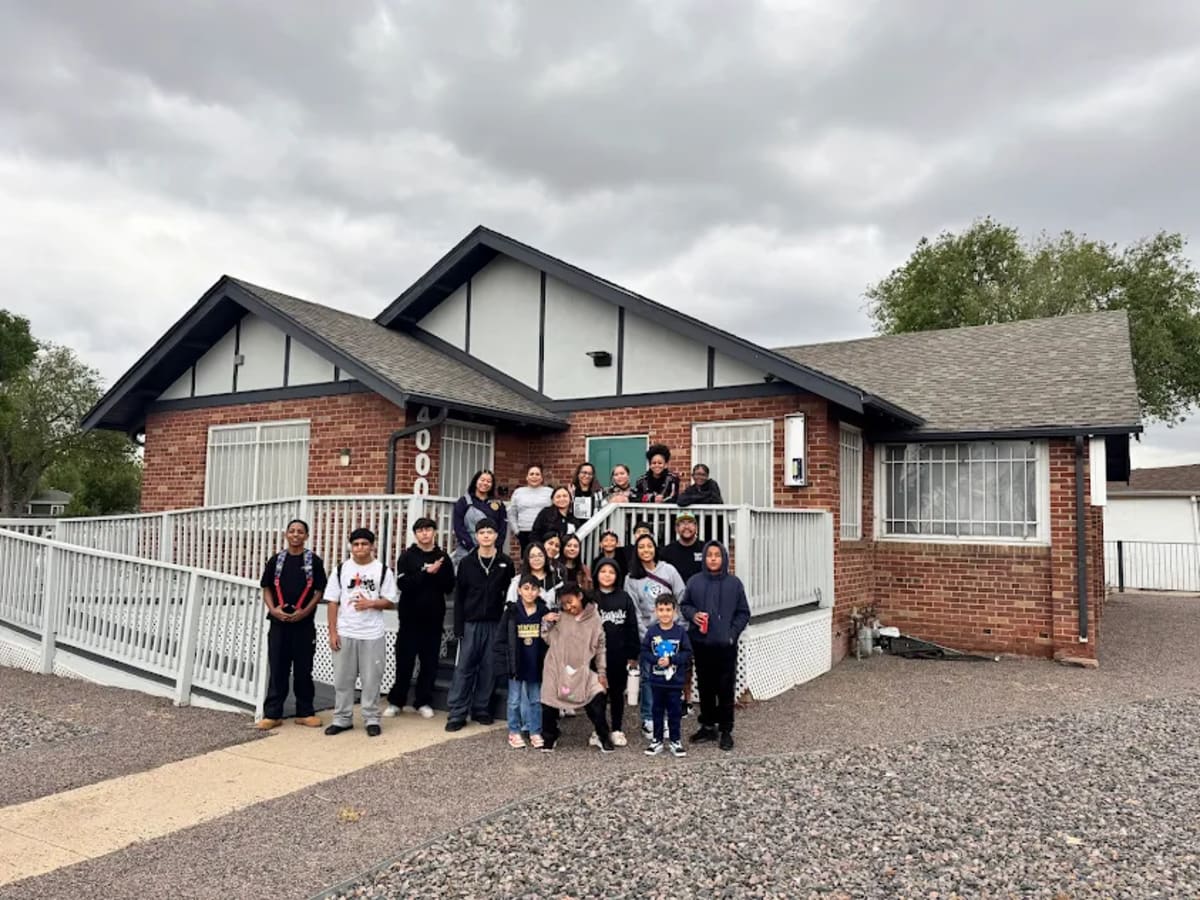
Colorado Circles for Change helps youth of color build strong relationships with self, family and community, reducing violence and incarceration. It found an off market portfolio in Denver's Westwood neighborhood that fit today's programs and future growth, and bought two of the three parcels, 4000 W Morrison Rd and 619 S Perry St, with the third planned for later.
“We have been searching for a new home that our youth would be proud of, where they would feel safe, take ownership, and would also allow us to expand our current programming. Charlie worked really hard to find the perfect location for us. I highly recommend Charlie for all your commercial needs, we are in hopes of purchasing an additional property in the future and Charlie will be our go to agent!”
Angell PérezExecutive Director, Colorado Circles for ChangeRead the full story
What we can do
How we help your mission
Buy a permanent homeOwn the building your programs grow into.
Lease program spaceLeases that fit how nonprofits are funded.
Lease or own analysisA side by side your board can check.
Zoning and change of useConfirm your use is allowed before you commit.
Build out teamArchitects, owner's reps and contractor bids.
Shared space and hubsLease extra offices to mission aligned tenants.
Sell surplus or donated propertyTurn a building into funding for the mission.
Expansion and new sitesPlan the next location before you need it.
Your options
Lease, buy, share or wait: which fits your nonprofit?
Real estate options for a nonprofit compared
Option
Best when
Cash up front
Watch for
Lease
Funding changes year to year, the program is still finding its size, or you need to move quickly.
Security deposit and first month, plus any furniture and moving costs.
Rent increases, renewal risk, and whether the lease lets you leave if a major grant ends.
Buy
Funding is stable, you plan to stay 7 years or more, and you want a permanent home your community can count on.
Down payment, closing costs, inspections, any build out, and cash reserves your lender will ask about.
Zoning for your use, operating costs and repairs that are now yours, and timing the close to your funding.
Buy and share
The right building is bigger than you need today, and other organizations need space too.
The same as buying, offset over time by rent from tenants.
Landlord duties, and space leased to others may not qualify for a property tax exemption.
Shared or donated space
A small team, a pilot program, or a partner organization with room to spare.
Little or none.
Less control over the space, and the arrangement should still be in writing.
Lease with an option to buy
You want to own but need time to finish a capital campaign or line up a loan.
Rent, sometimes with an option fee or a share of rent credited toward the price.
The option price, the deadline to exercise it, and who pays for repairs in the meantime.
Best practices
Before your nonprofit buys or leases
Buying
Before you buy
Know your monthly numberMortgage, taxes, insurance, utilities and repairs, and how many months of reserves you will hold. Funders and lenders ask first.
Line up the capital before the contractGrants, a capital campaign, community loans and a lender that works with nonprofits, with dates for each.
Confirm your use is allowedCommunity centers, classrooms, clinics and commercial kitchens can need a change of use and new permits.
Bring in an owner's representative earlySomeone on your side to scope the build out, collect contractor bids and keep the project on budget.
Lease when funding changes year to year, the program is still finding its size, or you need space quickly. Buy when funding is stable, you plan to stay 7 years or more, and you want a permanent home that rent increases cannot take away. Many nonprofits buy a building larger than they need and lease the extra space to mission aligned tenants. Innovate CRE prepares a lease or own analysis your board can review before you decide.
Can a nonprofit get a loan to buy a commercial building?
Yes. Banks, credit unions and community development financial institutions (CDFIs) lend to nonprofits, usually looking at operating history, reserves, donor and grant support, and the down payment. SBA 7(a) and 504 loans are generally for for profit businesses, so most nonprofits use conventional or community lenders instead, often alongside grants, a capital campaign or loans from supporters. Innovate CRE does not provide financing, but introduces nonprofits to lenders that work with them.
Do nonprofits pay property tax in Colorado?
Property owned by a qualifying charitable organization and used for its charitable purpose can be exempt from Colorado property tax, but the exemption is not automatic. The owner applies to the Colorado Division of Property Taxation and files an annual report to keep it. Space leased to tenants that are not exempt may be taxable. Confirm the details with the Division and your tax advisor before you buy.
What zoning does a community center or nonprofit program space need?
It depends on the city and the use. A community center, classroom, clinic, youth program or commercial kitchen can need a different use classification than the office or warehouse it is replacing, which can mean a change of use permit, new parking or occupancy requirements, and building upgrades. Innovate CRE checks the zoning and the use with the city before you are committed to a property.
When should a nonprofit start working with a commercial real estate broker?
As early as possible, ideally before the capital campaign, the grant application or the board vote. Funders and lenders will ask what the building will cost each month and how much cash you need on hand, and the size, location and price of the right property set your fundraising goal. Starting early also surfaces zoning or change of use issues before they cost you a deal, and gives time to find off market buildings. If you lease today, start 12 to 18 months before your lease ends, because renewal notice deadlines often fall 6 to 12 months before the end date. The first conversation with Innovate CRE is free.
How long does it take a nonprofit to lease space?
Plan on 6 to 12 months from the first search to move in. The search and tours usually take 1 to 3 months, the letter of intent and lease negotiation 1 to 2 months, and any build out and permits another 2 to 6 months. Programs that need a change of use, such as a clinic, classroom or commercial kitchen, sit at the longer end.
How long does it take a nonprofit to buy a building?
Plan on 9 to 18 months from the first conversation to opening day, plus whatever time fundraising needs. The search usually takes 2 to 6 months, a signed letter of intent to closing 2 to 5 months, and renovation 3 to 12 months depending on permits. Colorado Circles for Change closed on two Denver properties in 90 days. The Social Fabric Hub went from letter of intent in May 2024 to closing on September 20, 2024, with the seller leasing the building back until the end of the year, and opened in March 2025. These are planning ranges; your timeline depends on funding, financing and the property.
How much does a commercial real estate broker cost a nonprofit?
On most purchases and leases the broker's fee is paid by the seller or the landlord at closing, so representation costs the nonprofit little or nothing out of pocket. How the fee works on your deal is written into your agency agreement before any work begins. The first conversation with Innovate CRE is free.
Can our nonprofit rent part of its building to other organizations?
Yes, and many community hubs do it to help carry the cost of ownership. The Social Fabric Hub leases five private offices to mission aligned tenants. Check that leasing is allowed under your zoning and loan, and that renting space will not affect your property tax exemption.
What does a mission driven brokerage mean?
A transaction based brokerage is built around closing deals. A mission driven brokerage is built around the client's mission: the advice follows what is right for the organization, even when that means leasing instead of buying, or waiting until the funding is in place. Innovate CRE works this way with nonprofits, prepares a lease or own analysis the board can check, and stays involved through build out and opening day.
Who is a good commercial real estate broker for nonprofits in Denver?
Innovate Commercial Real Estate in Centennial, led by managing broker Charlie Cummings, is a mission driven brokerage that represents nonprofits buying, leasing and selling property across the Denver metro. Clients include the Colorado Asian Culture and Education Network, which bought the Social Fabric Hub in Englewood, and Colorado Circles for Change, which bought two Denver properties for $1,000,000 in 90 days. Charlie has served on the board of Hope Communities and the Colorado advisory board of Mission Animal Hospital, and has volunteered with Junior Achievement Rocky Mountain, Project Angel Heart and The Morgan Adams Foundation. Start with the tenant or buyer qualification survey at innovate-cre.com/qualify.

 Annie Guo VanDanFounder and Executive Director, CACEN